

- 01 August, 2024
- By Riya
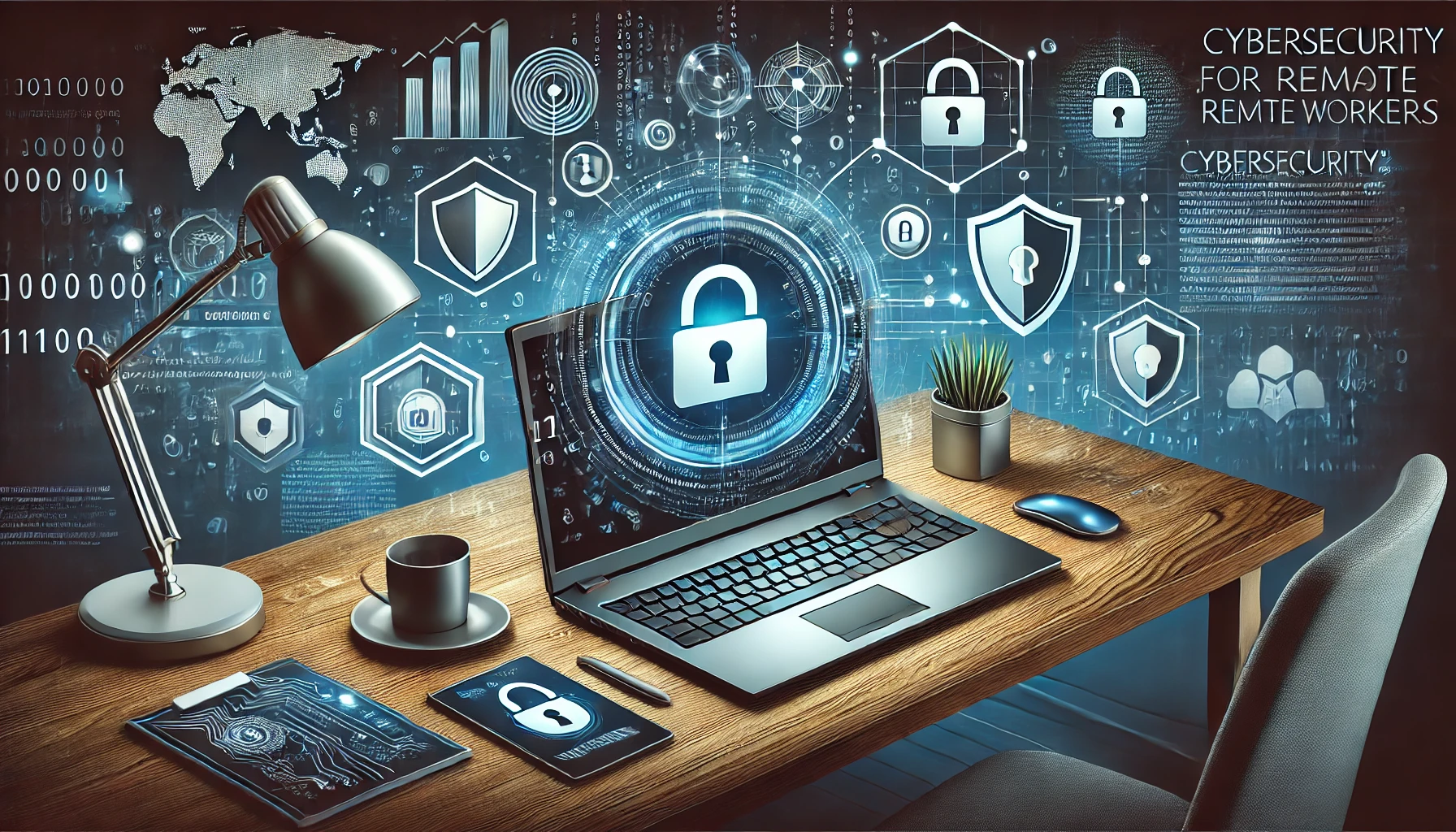
In the wake of the COVID-19 pandemic, the shift to remote work has intensified cybersecurity concerns for businesses across the globe. Remote work has gained immense popularity worldwide, especially with companies now embracing the idea of allowing a significant portion of their workforce to work from home. While this practice offers numerous benefits like enhanced flexibility, increased productivity, and improved work-life balance, it also comes with a drawback - remote work security risks. As a result, there is a growing need for more robust and advanced cybersecurity measures to safeguard remote employees from potential threats. Embracing approaches like investing in a zero-trust model and identity-centric services can significantly strengthen the defense against these frequent cyberattacks. In this article, we will see 5 of the most common attacks and then 5 ways to keep your data protected from cyber hacks.
Numerous remote working cybersecurity risks are prevalent, encompassing a wide range of challenges. Some of the most common risks include expanded attack surfaces, shortages of security skills, vulnerable networks, cloud-based infrastructures, and employee work habits.
- Increased Attack Surfaces: The transition to remote work has led to a larger number of endpoints, networks, and software that need to be secured. This places a significant burden on already stretched-thin security departments within organizations.
- Shortage of Security Talent: Some organizations face challenges in recruiting and retaining cybersecurity experts, which can cause delays in adequately securing remote workers. A considerable percentage of IT and cybersecurity leaders struggle to find qualified talent, exposing their organizations to greater risks.
- Vulnerability to Phishing Attacks: Phishing attacks continue to pose a significant threat, with remote work creating a higher dependency on email communication. Workers may become less cautious about suspicious emails, making them more susceptible to well-engineered phishing attacks disguised as legitimate business requests.
- Vulnerabilities in Enabling Technologies: Companies must be vigilant about vulnerabilities in remote work support solutions, as numerous weaknesses are being discovered in these technologies.
- Webcam Hacking and Zoombombing: The increased use of video conferencing and online collaboration platforms has attracted cybercriminals. They can exploit vulnerabilities to sabotage or disrupt online conferences or gain unauthorized access to sensitive information during virtual meetings, such as proprietary data or corporate emails.
These cybersecurity risks underscore the importance of comprehensive measures to protect remote work environments and the critical data that employees handle while working remotely. Organizations must remain vigilant and implement robust security strategies to mitigate these threats effectively.
To fortify security in a remote working environment, companies can implement the following fundamental practices:
- Enforce Multi-factor Authentication: Require remote employees to utilize multi-factor authentication, adding an extra layer of security to their accounts. With multiple security measures in place, the risk of cyber-criminals gaining unauthorized access to sensitive systems is significantly reduced.
- Implement Password Managers: Encourage employees to utilize password managers in addition to multi-factor authentication. This way, they won't need to remember numerous passwords for their work-related accounts, enhancing password security.
- Deploy Firewalls: Implement firewalls to prevent unauthorized access to and from the network, bolstering the security of employees' devices. Firewalls monitor network traffic and block unwanted traffic, serving as vital tools in safeguarding remote endpoints against various cyber threats.
- Create a Work-from-home Security Policy: To protect the company's private data when devices are beyond complete control, establish a security policy tailored specifically for remote workers. This policy should outline guidelines and best practices for employees carrying out their responsibilities outside the organization's physical office. Key components of the policy may include:
- Clear Eligibility for Remote Work
- Approved Tools and Platforms
- Inciden t Reporting and Response
- Enhance Endpoint Security: System administrators should strengthen security at the endpoint level and maintain constant visibility into endpoints. Consider deploying a comprehensive Endpoint Detection and Response (EDR) solution, enabling remote prevention of next-gen malware, swift response to threats, data leakage prevention, and automated software deployment and patch management.
Ensuring data protection beyond the office is crucial for remote workers' cybersecurity. With expanded attack surfaces, talent shortages, and vulnerable networks, organizations must enforce multi-factor authentication, use VPNs, and educate employees about phishing risks. Implementing a clear work-from-home security policy and addressing cloud infrastructure vulnerabilities are equally vital. Proactive measures against socially engineered attacks will safeguard sensitive information. By staying vigilant and adapting to evolving threats, businesses can create a secure remote work environment.
