

- 18th October, 2024
- By Riya
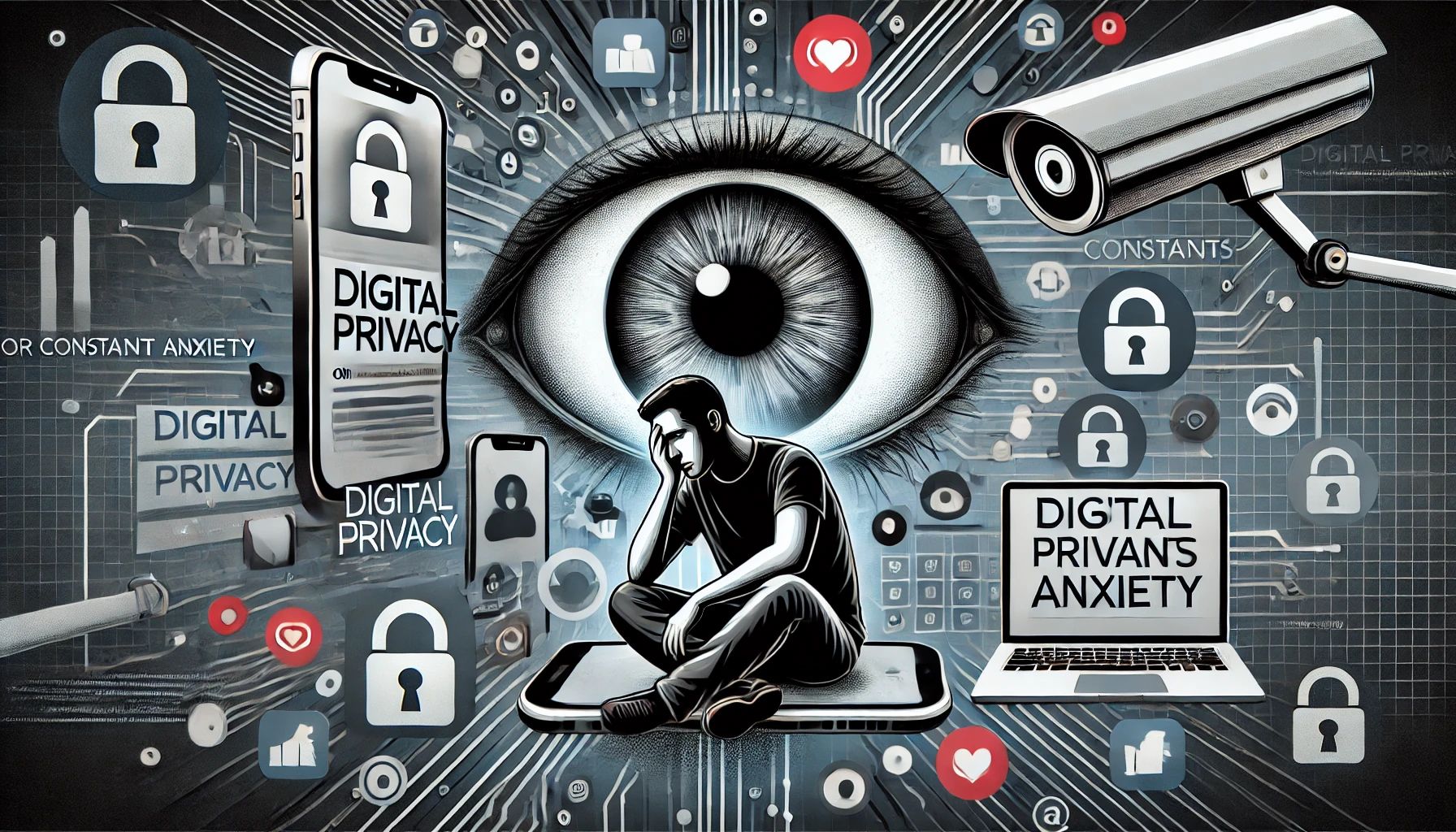
Often we read about scams online where people get hacked and lose so much just because of a few tiny mistakes, or basic carelessness. Our anxiety increases as we're not sure what are the necessary steps to be taken so as to avoid anything like this happening to us.
The basic meaning of Digital privacy is the protection of an individual's information that is used or created while using the Internet on a computer or personal device.
Protecting our digital and online privacy is as essential in today's interconnected world as it is to have an online presence, in the first place. Some recommended ways to do the same are given below-
We often tend to neglect online security in various contexts, like -
- Enabling the two-factor authentication (2FA): People often tend to not pay enough attention to this part but it is advised to enable 2FA whenever possible, as it provides an additional layer of security. Two-factor authentication (2FA) is an identity and access management security method that requires two forms of identification to access resources and data. 2FA gives businesses the ability to monitor and help safeguard their most vulnerable information and networks.
- Regular software updates: Regularly updating our operating system, web browsers, and applications is a must, to ensure you have the latest security patches. Vulnerabilities/ Loopholes in outdated software can be exploited by hackers to gain access to your device or data. Keeping your presence updated is much recommended.
- Using a virtual private network (VPN): A VPN is known to encrypt your internet connection and routes it through a secure server, protecting your online activities from prying eyes. Normally, it is advised to not connect to local and open networks but VPNs can protect you even then.
- Think carefully before sharing your personal information online: Think twice before posting personal information on social media or other public platforms. It could get abused if it reaches the wrong hands. Also, it would be preferred if you review and adjust the privacy settings on your social media accounts to control who can see your posts and personal details.
- Regularly review app permissions: Check the permissions requested by mobile apps before installing them. Be cautious about granting unnecessary permissions that could potentially compromise your privacy. Also, review and manage app permissions periodically in your device settings.
- Be skeptical of phishing attempts: Phishing is recently recorded to increase. They basically aim to trick you into revealing sensitive information. Be cautious when clicking on links or downloading attachments from unknown or suspicious sources and always try to verify the legitimacy of requests before providing personal information or login credentials.
- Educate yourself about digital privacy: Last, but not the least, keep reading online blogs, articles like these, follow the work of companies like “XACKTON”, and keep yourself as educated as you can.
Privacy is a continuous effort, and it's essential to stay vigilant and to keep ourselves as safe as possible.
Digital Privacy automatically leads to lesser anxiety and better safety. So stay safe!
