

- 18th September, 2024
- By Riya
Remember in the "Happy New Year" movie, the lock that had the diamonds, was protected with several layers of safety? With a fingerprint device at the entrance protected by a line of bodyguards, a laser shield, a complicated password safe, and then further another mini safe with a smaller simple passcode. Even one wrong step and it could all have gone down the line. In the easiest way to explain, that is basically what Multifactor Authentication is. It is being widely used these days for the betterment of your online presence and safety.
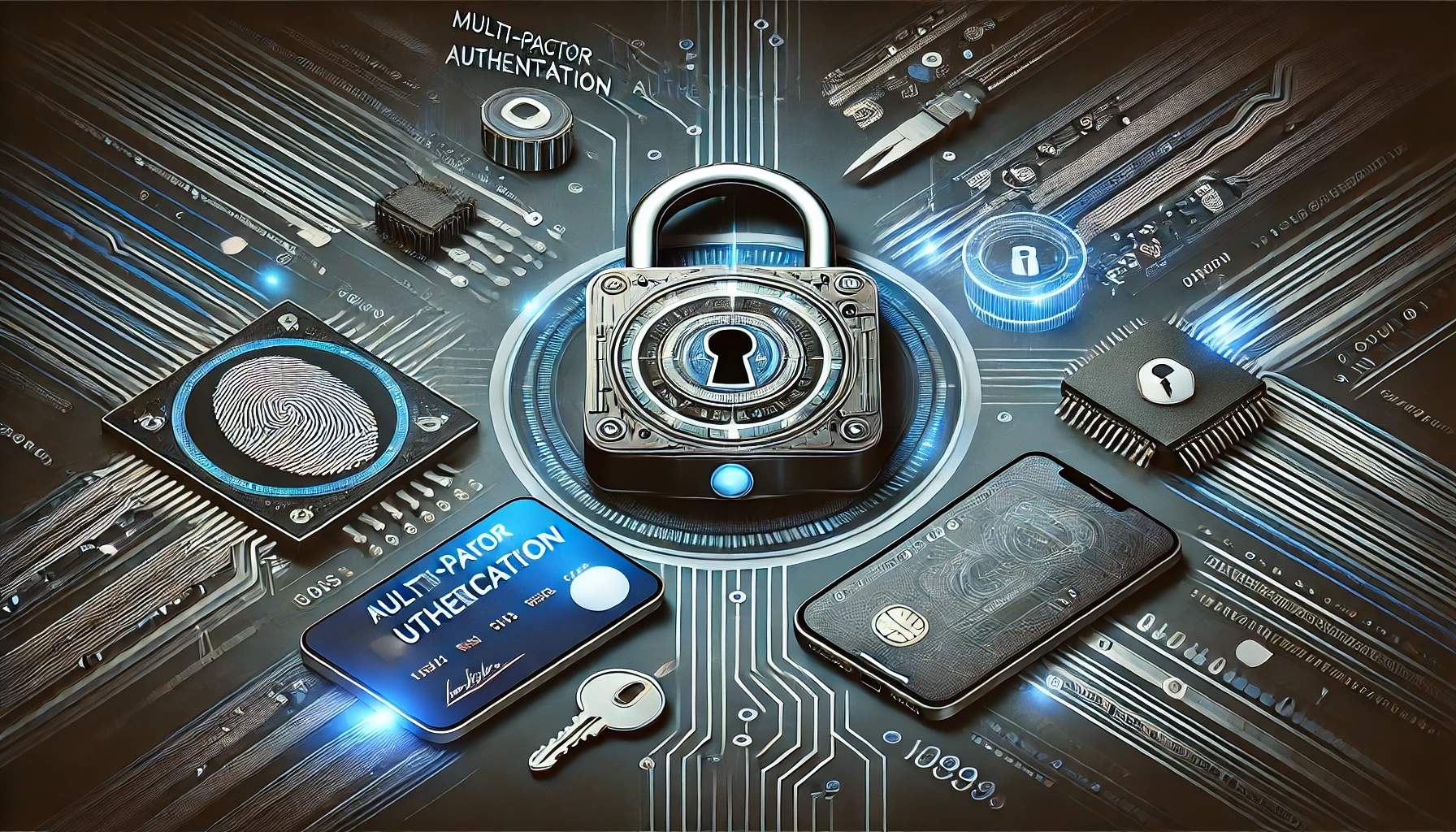
Multifactor authentication is like building a digital fortress with layers of defense to protect your valuable assets. It's a security technology that goes beyond relying on a single password and adds extra layers of verification to confirm your identity. MFA combines multiple independent credentials, creating a formidable shield against unauthorized access. By requiring two or more factors of authentication, MFA makes it significantly harder for attackers to infiltrate your accounts, systems, or networks. Even if one factor is compromised, the remaining layers act as formidable barriers, deterring unauthorized access and keeping your digital assets safe. In an era where cyber threats are ever-present, MFA is the superhero that defends your virtual realm, ensuring that only the true and verified user can gain entry.
Multi Factor Authentication (MFA) offers a wide range of benefits that significantly enhance security and protect against unauthorized access. Here are some key advantages of implementing MFA:
- Heightened Security: MFA adds an extra layer of defense by requiring multiple factors of authentication. This makes it exponentially more difficult for attackers to breach accounts or systems.
- Stronger Identity Verification: With MFA, the authentication process becomes more robust and reliable. By combining factors such as passwords, security tokens, or biometric data, MFA ensures a higher level of confidence in verifying the user's identity.
- Protection Against Password Vulnerabilities: Traditional password-based authentication is susceptible to various threats like password guessing, phishing attacks, or password leaks. MFA mitigates these risks by supplementing passwords with additional authentication factors, reducing the dependence on weak or easily compromised passwords.
- Defense Against Credential Theft: Even if attackers manage to obtain a user's password, they would still need the additional authentication factors to gain access, making stolen credentials useless without the accompanying factors.
- Enhanced Compliance: MFA is often a requirement for compliance with industry regulations and data protection standards.
- User-Friendly Experience: MFA methods have evolved to become more user-friendly, offering convenient options such as push notifications, biometric authentication, or one-time passcodes generated on mobile devices.
- Adaptability Across Platforms: MFA can be implemented across various platforms and systems, including cloud services, applications, networks, and physical access control systems.
- Early Threat Detection: MFA systems can often detect and flag suspicious login attempts or unusual activity. This early warning system helps identify potential threats, enabling organizations to respond promptly and mitigate risks.
While commonly used interchangeably, it's important to distinguish between multi factor authentication (MFA) and two-factor authentication (2FA). While 2FA is a subset of MFA, the key difference lies in the number of factors required for verification. Two-factor authentication (2FA) strictly mandates the use of two distinct factors for authentication, typically combining something the user knows (like a password) with something the user has (such as a security token or a verification code sent to their device). On the other hand, multi factor authentication (MFA) encompasses a broader scope, allowing for two or more independent factors to be used for authentication. This can include additional elements like something the user is (biometric data) or somewhere the user is (geolocation). So, while 2FA provides an extra layer of security by requiring two factors, MFA goes beyond that, offering the flexibility to incorporate multiple factors for an even more robust authentication process.
To establish effective multi-factor authentication (MFA), businesses should adopt certain best practices to ensure secure access management. Here are some recommended guidelines:
- User Role Creation: Grouping users into roles allows for more granular access control. Assign privileges based on roles, granting higher access rights to privileged admin users compared to regular end-users.
- Strong Password Policies: Even with multi-factor authentication, it is crucial to enforce robust password policies. Implement rules requiring passwords to include a combination of upper and lower case letters, special characters, and numbers to enhance password strength.
- Regular Credential Rotation: Encourage users to change their passwords periodically. Automate this process by setting the system to deny access until the password has been updated, ensuring credentials remain up-to-date and secure.
- Least Privilege Principle: Apply the principle of least privilege, granting minimal access rights to new users initially. Privileges can be gradually increased as users build trust and provide verified credentials or through manual authorization.
In conclusion, multi-factor authentication significantly strengthens security, reduces the risk of unauthorized access, and provides organizations and individuals with greater peace of mind in an increasingly digital and interconnected world.
